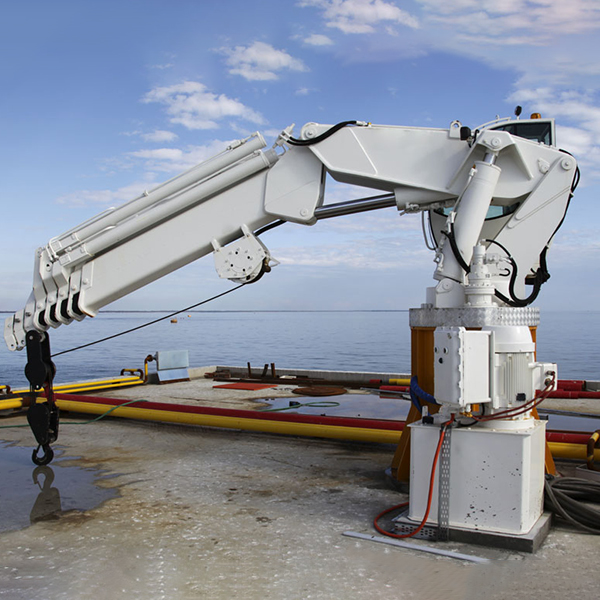
**Hydraulic Mobile Crane Price Trends and Industry Insights**In recent years, the demand for hydraulic mobile cranes has witnessed significant growth across various sectors, including construction, infrastructure development, logistics, and heavy equipment handling. As these versatile machines continue to play a crucial role in elevating efficiency and productivity, understanding the pricing trends and market dynamics becomes essential for businesses and stakeholders. This article delves into the current hydraulic mobile crane price landscape, factors influencing pricing, and an overview of the industry based on recent company data and market analyses.**Current Market Overview of Hydraulic Mobile Cranes**Hydraulic mobile cranes are indispensable tools in lifting and moving heavy loads with ease and precision. Unlike fixed cranes, mobile cranes offer the advantage of portability and rapid deployment, making them highly suitable for diverse project requirements. The price of hydraulic mobile cranes varies widely depending on several factors such as lifting capacity, boom length, manufacturer technology, and included features.Recent reports indicate that the price range for hydraulic mobile cranes typically starts from approximately $100,000 for smaller models with a lifting capacity of around 10 tons, escalating to over $500,000 for high-capacity units capable of handling loads exceeding 100 tons. Mid-range cranes, which constitute the largest segment of sales, generally fall within the $200,000 to $350,000 bracket.**Key Factors Influencing Hydraulic Mobile Crane Pricing**1. **Lifting Capacity and Specifications**: The primary determinant of a crane’s price is its lifting capacity. Larger cranes with higher capacities require stronger hydraulic systems, more robust chassis, and advanced safety features, all contributing to increased costs. Additionally, features like longer boom extensions, enhanced maneuverability, and specialized attachments can also affect pricing.2. **Technological Advancements**: Incorporation of advanced hydraulic systems, automation, remote control capabilities, and telematics for monitoring crane performance have become essential in modern cranes. These innovations enhance operational efficiency and safety but also add to the overall production cost.3. **Manufacturing Quality and Brand Reputation**: Cranes produced by manufacturers with stringent quality control standards and robust after-sales support commands premium pricing. Buyers are often willing to invest more in machines that guarantee reliability, durability, and cost-effective maintenance.4. **Economic and Material Costs**: Fluctuations in steel prices, fuel costs, and labor can impact manufacturing expenses, subsequently influencing the retail price of hydraulic mobile cranes. Additionally, logistics and import duties in various regions play a role in end-user pricing.5. **Customization and Compliance**: Customized features tailored to specific project needs or regional safety and environmental regulations may elevate machine costs. Ensuring compliance with global standards such as ISO, OSHA, and CE certification often necessitates additional engineering and testing.**Industry Insights and Company Outlook**Based on the latest company reports, manufacturers are adapting to evolving market needs by expanding their hydraulic mobile crane portfolios to include models that emphasize fuel efficiency, lower emissions, and enhanced operator comfort. Companies are investing in research and development to design cranes equipped with intelligent control systems that reduce operational errors and downtime.Furthermore, the trend towards modular crane designs allows for easier maintenance and part replacement, thus reducing the total cost of ownership. This aspect is particularly appealing to customers operating in remote or challenging environments, where equipment reliability and serviceability are critical.The competitive landscape is also witnessing increased collaboration between crane manufacturers and construction companies to co-develop machines optimized for specific applications, such as urban infrastructure projects with space constraints or renewable energy installations requiring precise load handling.**Market Demand and Future Prospects**The infrastructural boom in emerging economies and the upgrade of aging industrial facilities in developed countries are expected to drive sustained demand for hydraulic mobile cranes. Urbanization, increased focus on sustainable construction practices, and government investments in public works further augment market opportunities.Additionally, rental services for hydraulic mobile cranes are gaining traction as companies prefer asset-light models to reduce capital expenditure. This shift is influencing pricing strategies, with rental-compatible models emphasizing durability and ease of transport.**Conclusion**The hydraulic mobile crane market presents a dynamic pricing environment influenced by technological innovation, manufacturing excellence, and market demand patterns. Companies that prioritize quality, innovation, and customer-centric solutions are well-positioned to capitalize on growth opportunities. For buyers, understanding these factors can aid in making informed procurement decisions that balance upfront investment with long-term operational value.As the industry evolves, continuous monitoring of hydraulic mobile crane pricing trends and advancements will be crucial for all stakeholders engaged in sectors reliant on heavy lifting and material handling equipment. With expanding applications and technological progress, hydraulic mobile cranes will remain a pivotal asset in driving industrial efficiency and growth worldwide.
Read More